Quick Summary
Traffic increases, early winter weather, and out-of-state drivers make Thanksgiving week one of the most dangerous travel periods in Michigan. If you’re injured in a holiday car accident, understanding your next steps can help protect your health, your benefits, and your legal rights.
In this guide, you’ll learn:
- Why Thanksgiving travel leads to more Michigan car accidents
- What to do immediately after a holiday crash
- Common insurance challenges this time of year
- How Michigan’s no-fault insurance applies
- When to contact a West Michigan car accident attorney for help
Holiday Travel Safety in Michigan: What to Do After a Thanksgiving Car Accident
Thanksgiving is one of the busiest travel weeks of the year in Michigan. Families hit the road, highways fill up, and early winter weather can create dangerous driving conditions. Unfortunately, that combination leads to a sharp increase in crashes across the state.
If you’re injured in a holiday car accident, knowing how Michigan’s laws and insurance rules apply to your situation can play an important role in protecting your claim.
Why Michigan Sees More Crashes During Thanksgiving Travel
Thanksgiving weekend brings heavier traffic, long-distance driving, and unpredictable weather. When you combine those factors with limited daylight and out-of-state visitors, the risk of serious collisions increases significantly.
Congested Highways and Busy Local Roads
US-31, I-96, and I-196 all see significant traffic increases, particularly near Muskegon, Holland, and Grand Haven. More vehicles on the road mean less room for error and more opportunities for rear-end, side-impact, or multi-vehicle crashes.
Early Winter Conditions
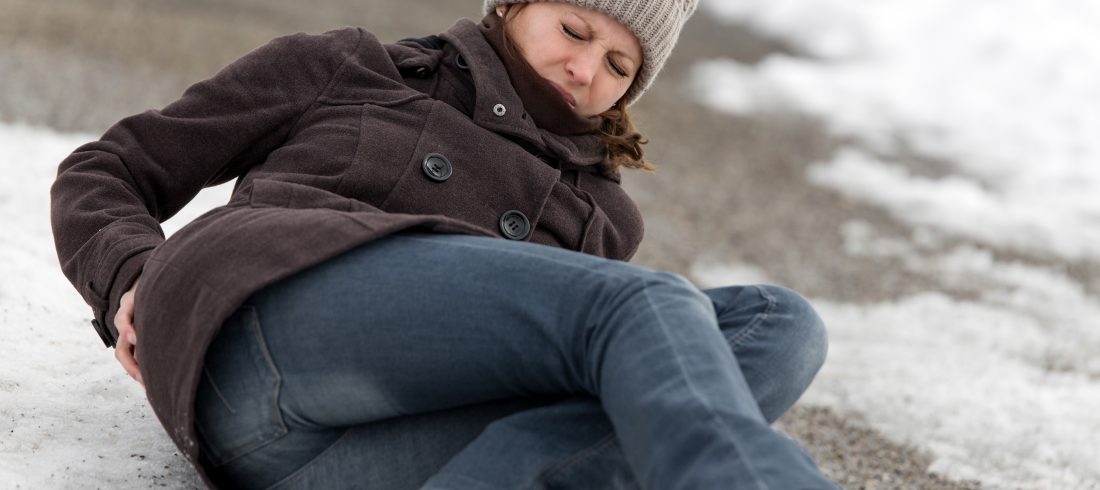
Snow squalls, black ice, slush, and freezing rain are common this time of year. Even experienced Michigan drivers can lose control when the weather changes suddenly. Early storms can also catch travelers off guard, leading to spinouts and highway pileups.
More Out-of-State Drivers
Visitors unfamiliar with Michigan roads or winter weather often brake abruptly, drive too slowly, or make sudden lane changes. These behaviors frequently contribute to rear-end collisions or chain-reaction crashes.
What to Do After a Holiday Car Accident in Michigan
Taking the right steps early on helps protect your health and preserves evidence if you later need to file a claim.
- Move to Safety and Call 911: Always begin with your safety. Move vehicles out of traffic when possible and wait somewhere secure until help arrives.
- Document the Scene: Photos and video matter, especially in winter conditions where ice or visibility may have contributed to the crash. Capture damage, road conditions, and any visible injuries.
- Exchange Information With Every Driver: Make sure to get full names, insurance details, and license plate numbers. If an out-of-state driver is involved, note their insurer and residency; these details often impact claims.
- Seek Medical Attention: Symptoms can be delayed, particularly after a crash influenced by slippery roads or sudden impacts. Prompt medical care protects both your health and your claim.
- Report the Accident to Your Insurance Company: Michigan’s no-fault insurance system requires timely notice. Even if you aren’t sure whether you’re seriously injured, reporting the crash protects your benefits.
Insurance Challenges After a Holiday Crash
Holiday weekends create unique delays and obstacles:
Adjuster Backlogs
Insurers often operate with limited staff around the holidays, slowing down claim processing.
Disputes With Out-of-State Drivers
Different states have different insurance requirements. Collisions involving visiting drivers often require additional steps.
Multi-Vehicle Crashes
Holiday pileups are common when weather and traffic combine, and determining fault can be complicated.
No-Fault Benefits Aren’t Always Enough
PIP (Personal Injury Protection) will cover medical costs and wage loss, but may not cover pain and suffering, long-term disability, or damages when another driver is responsible.
How Michigan No-Fault Insurance Works in Holiday Accidents
Michigan’s no-fault system ensures you receive certain benefits regardless of who caused the crash. Understanding your coverage helps you access the support you need.
Your PIP Benefits May Cover:
- Medical care
- Lost wages
- Replacement services
- Mileage for medical appointments
However, if you sustained a serious impairment of body function or another driver was clearly negligent, you may be able to bring a claim for additional compensation beyond no-fault benefits, including pain and suffering and future economic losses.
When to Contact a West Michigan Car Accident Attorney
You should consider reaching out to an attorney if:
You Were Seriously Injured
Head injuries, fractures, herniated discs, or lasting pain can all impact your long-term health.
Fault Is Disputed
When there are multiple drivers, slippery conditions, or sudden stops, determining fault can be complicated.
An Out-of-State Driver Was Involved
Different insurance rules can create delays or reduce the compensation offered.
The Insurance Company Is Delaying or Denying Your Claim
If your calls aren’t being returned or you’re offered a low settlement, it’s time to get help.
How Shibley Law Helps After a Thanksgiving Weekend Crash
When you’re dealing with pain, medical appointments, and insurance paperwork, you shouldn’t have to fight for fair treatment. As your Muskegon auto accident attorney, we:
- Explain your rights clearly and honestly
- Handle communication with insurance companies
- Collect and preserve evidence
- Evaluate fault and liability
- Pursue full compensation under Michigan law
- Help you understand every step of the process
You’re not just another case. You’re a person who deserves clarity, respect, and support.
Thanksgiving should be a time to gather with family and enjoy the start of the holiday season—not navigate insurance disputes or pain from a crash. If you’re injured in a holiday car accident in Michigan, Shibley Law is here to help you understand your options and protect your rights. Contact us today for a free consultation.
Frequently Asked Questions (FAQs)
- What should I do if I’m injured in a Thanksgiving car accident in Michigan?
Start by moving to a safe location and calling 911. Document the scene with photos or video, exchange information with all drivers involved, seek prompt medical care, and report the crash to your insurance company. Michigan’s no-fault insurance rules require timely notice to protect your benefits. If you suffered serious injuries or have concerns about fault, speaking with an attorney at Shibley Law can help you understand your options.
- How does Michigan’s no-fault insurance apply to holiday car accidents?
No-fault insurance covers medical expenses, lost wages, and replacement services regardless of who caused the crash. However, if you have a serious impairment of body function or the other driver was negligent, you may be able to pursue additional compensation outside the no-fault system. A personal injury attorney at Shibley Law can help determine whether your injuries meet Michigan’s legal threshold.
- When should I contact a car accident attorney after a holiday crash?
You should contact an attorney at Shibley Law if you suffered serious injuries, your symptoms worsen, fault is disputed, an out-of-state driver was involved, or an insurance company is delaying or denying your claim. An attorney can evaluate liability, preserve evidence, handle communication with insurers, and help you pursue full compensation under Michigan law.
About the Author, Attorney David Givskud
If you have been injured in West Michigan through no fault of your own, contact Attorney David Givskud today for a free consultation.

“I advocate for each and every client as if they were my own family and as if they were my only client. That means using every ounce of my previous experience and current drive to obtain the results my injured clients deserve. Being injured can be a devastating life event. I take pride and consider it a privilege to help guide clients through their challenging times and to pursue damages on their behalf.”